News
NATO Fifth-Generation Fighters Integrate Across Northern Europe During Ramstein Flag 2026
June 11, 2026


News Release by Allied Air Command Public Affairs Office
RAMSTEIN, Germany - Fifth-generation F-35 aircraft from Denmark, Italy, Norway and the United States began operating across northern Europe on June 8 during Ramstein Flag 2026.
"We train how we fight"
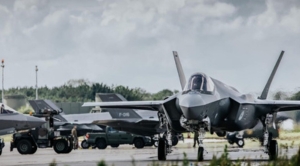
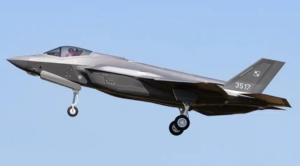
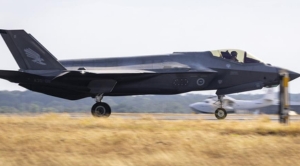
The NATO Air Component-led exercise brings together Allied F-35s at several operating locations, including U.S. Marine Corps F-35B aircraft in Rovaniemi, Finland; U.S. Air Force F-35A aircraft in Pirkkala, Finland; and Italian, Norwegian and Danish F-35 aircraft at Ørland, Norway. Their participation demonstrates how NATO can disperse advanced Airpower, integrate fifth-generation capabilities with Allied enablers and sustain operations across the Alliance’s northern flank.
.jpg)
Held across Europe, from Norway to Spain, Ramstein Flag 2026 brings together more than 18 nations flying from more than 20 locations in 12 countries. The exercise involves more than 200 aircraft, including Allied enabler aircraft, NATO Airborne Warning and Control System E-3A Sentry aircraft and NATO RQ-4D Phoenix remotely piloted aircraft. During the exercise, more than 120 aircraft will fly simultaneously, executing more than 150 sorties per day from up to 20 operating locations.
For participating F-35 units, the exercise tests critical air component tasks, including Integrated Air and Missile Defence (IAMD), intelligence sharing, Counter Anti-Access/Area Denial (C-A2AD) and Agile Combat Employment (ACE). By operating alongside national and NATO Command and Control (C2), surveillance and support assets, Allied fifth-generation aircraft strengthen shared tactics, techniques and procedures and improve the Alliance’s ability to deter threats, defend NATO territory and protect NATO airspace.
At Pirkkala, more than 200 U.S. Airmen from the 48th Fighter Wing are training alongside the Finnish Air Force, Marine Air Control Squadron 2 and Marine Wing Support Squadron 272 from Marine Air Control Group 28, 2d Marine Aircraft Wing.
“This team is ready to fight and perform right alongside our NATO Allies,” said U.S. Lieutenant Colonel Dustin Merritt, deployed detachment commander of U.S. Air Forces in Europe’s (USAFE) 493rd Fighter Squadron, based at Royal Air Force Lakenheath in the United Kingdom. “We train how we fight, and the 48th Fighter Wing has a proven track record of answering the call, wherever, whenever and however we’re needed.”
F-35 aircraft strengthen NATO’s IAMD and air defence shield by combining advanced sensing, secure data-sharing and fifth-generation survivability in a single platform. Operating as part of a wider Allied network, F-35s can detect, classify and share threat information across the Allied forces, improving situational awareness for commanders, aircrews and ground-based air defence units. In Ramstein Flag 2026, Allied F-35 operations contribute directly to NATO’s 360-degree approach to air and missile defence, reinforcing the Alliance’s ability to protect NATO territory, populations, forces and NATO airspace.